Emergency Water Shutoff: Essential Monsoon Prep for Avondale Homes
Arizona’s monsoon season brings a dramatic shift to our desert landscape. From July through September, Avondale residents witness nature’s power as intense storms sweep across the Valley, delivering flash floods, high winds, and sudden temperature drops. While these storms provide welcome relief from our scorching 110°F+ summer days, they can wreak havoc on your home’s plumbing system.
Most Avondale homes feature newer construction with PVC and copper plumbing systems built on concrete slab foundations. These systems, while designed for our desert climate, face unique challenges during monsoon season. Flash floods can overwhelm drainage systems, sudden temperature changes stress pipe joints, and power outages can disrupt water pressure systems. When plumbing emergencies strike during a storm, knowing how to quickly shut off your water supply can save thousands of dollars in damage.
Understanding Your Home’s Water Shutoff System
Every Avondale home has multiple water shutoff points, and familiarizing yourself with their locations before monsoon season is crucial. The extreme heat we experience year-round already stresses our plumbing systems through constant expansion and contraction cycles. When storms arrive with cooler temperatures and potential flooding, knowing exactly where and how to stop water flow becomes essential.
Your home’s water system typically includes three main shutoff locations:
- The main water meter shutoff is located near the street, usually in a covered box marked “water”
- The home’s main shutoff valve sits where the water line enters your house, often in the garage or utility area
- Individual fixture shutoffs are found under sinks, behind toilets, and near water heaters
During our intense summer heat, these valves can become difficult to operate due to mineral buildup from Avondale’s hard water. Test each shutoff valve at least once before monsoon season begins to ensure they turn smoothly and completely stop water flow.
Locating Your Main Water Shutoff Points
Finding your shutoff valves shouldn’t wait until an emergency strikes. In Avondale’s newer tract homes, builders typically follow standard placement patterns, but variations exist depending on your home’s age and specific construction details.
Start your search at the water meter, usually located between the sidewalk and street. The city-owned meter box contains both the water meter and a shutoff valve. However, this valve requires a special meter key tool and should only be used in extreme emergencies when other shutoffs aren’t accessible.
Your home’s main shutoff valve location depends on your house’s design:
- Ranch-style homes typically have the main shutoff in the garage near the water heater
- Two-story homes often place the shutoff in a ground-floor utility closet or laundry room
- Homes with front-facing garages usually route the main line through the garage’s back wall
- Desert landscaping may conceal outdoor shutoff boxes near the home’s foundation
Remember that Avondale’s intense UV exposure can degrade outdoor plumbing components over time. If your shutoff valves are exposed to direct sunlight, inspect them regularly for cracking or brittleness that could cause failure during an emergency.
Step-by-Step Emergency Shutoff Procedures
When monsoon storms threaten or plumbing disasters strike, following proper shutoff procedures prevents extensive water damage. The key is moving quickly while staying calm and systematic in your approach.
For individual fixture emergencies, start at the closest shutoff point:
- Turn the fixture’s supply valves clockwise until completely closed (remember: “righty-tighty”)
- Check under sinks for two separate valves controlling hot and cold water lines
- Locate toilet shutoffs behind the base, usually on the left side when facing the toilet
- Find water heater shutoffs on both the cold water inlet and sometimes the hot water outlet
For whole-house emergencies requiring main shutoff:
- First attempt the home’s main shutoff valve inside your house for easiest access
- Turn the valve clockwise until it stops, typically requiring 2-4 full rotations
- If the indoor valve fails or you can’t access it safely, proceed to the outdoor meter
- Use pliers or a meter key to turn the street-side shutoff clockwise until water flow stops
- Immediately turn off your water heater to prevent damage from running dry
After shutting off water, open faucets at the highest and lowest points in your home to drain remaining water from the lines. This prevents freeze damage if temperatures drop significantly during the storm.
Common Monsoon-Related Plumbing Emergencies
Avondale’s monsoon season creates specific plumbing challenges that homeowners should anticipate and prepare for. Understanding these common scenarios helps you respond appropriately and know when professional help is necessary.
Flash flooding poses the most serious threat to homes with lower-level plumbing fixtures. When storm drains become overwhelmed, water can back up through floor drains, washing machine drains, and even toilets in extreme cases:
- Sewer line backups require immediate main water shutoff to prevent contamination
- Basement or lower-level flooding demands electrical safety precautions before entering affected areas
- Foundation settlement from saturated soil can crack main water lines entering the house
- Power outages affecting well pumps can cause pressure tank problems in some areas
Temperature-related emergencies occur when cool monsoon weather follows extreme heat periods. The sudden temperature differential stresses joints and connections throughout your plumbing system:
- PVC pipe joints may separate due to rapid contraction after summer expansion
- Copper pipes can develop pinhole leaks at soldered connections
- Water heater connections sometimes fail when subjected to temperature cycling
- Irrigation system breaks become evident when automatic timers activate damaged lines
Wind damage from monsoon storms can affect outdoor plumbing components, pool equipment, and irrigation systems. High winds combined with debris can break exposed pipes, damage fixtures, and compromise connections to outdoor water features.
Professional Help vs. DIY Solutions
While knowing your shutoff valve locations and emergency procedures is essential, recognizing when to call for professional help protects both your safety and your property. Some situations require immediate professional intervention, while others allow for temporary DIY solutions until a plumber in Avondale can assess the damage.
Safe DIY temporary fixes include:
- Shutting off water to isolated fixture leaks while waiting for professional repair
- Using pipe repair clamps on small leaks in accessible locations
- Applying plumber’s tape to minor threaded connection leaks
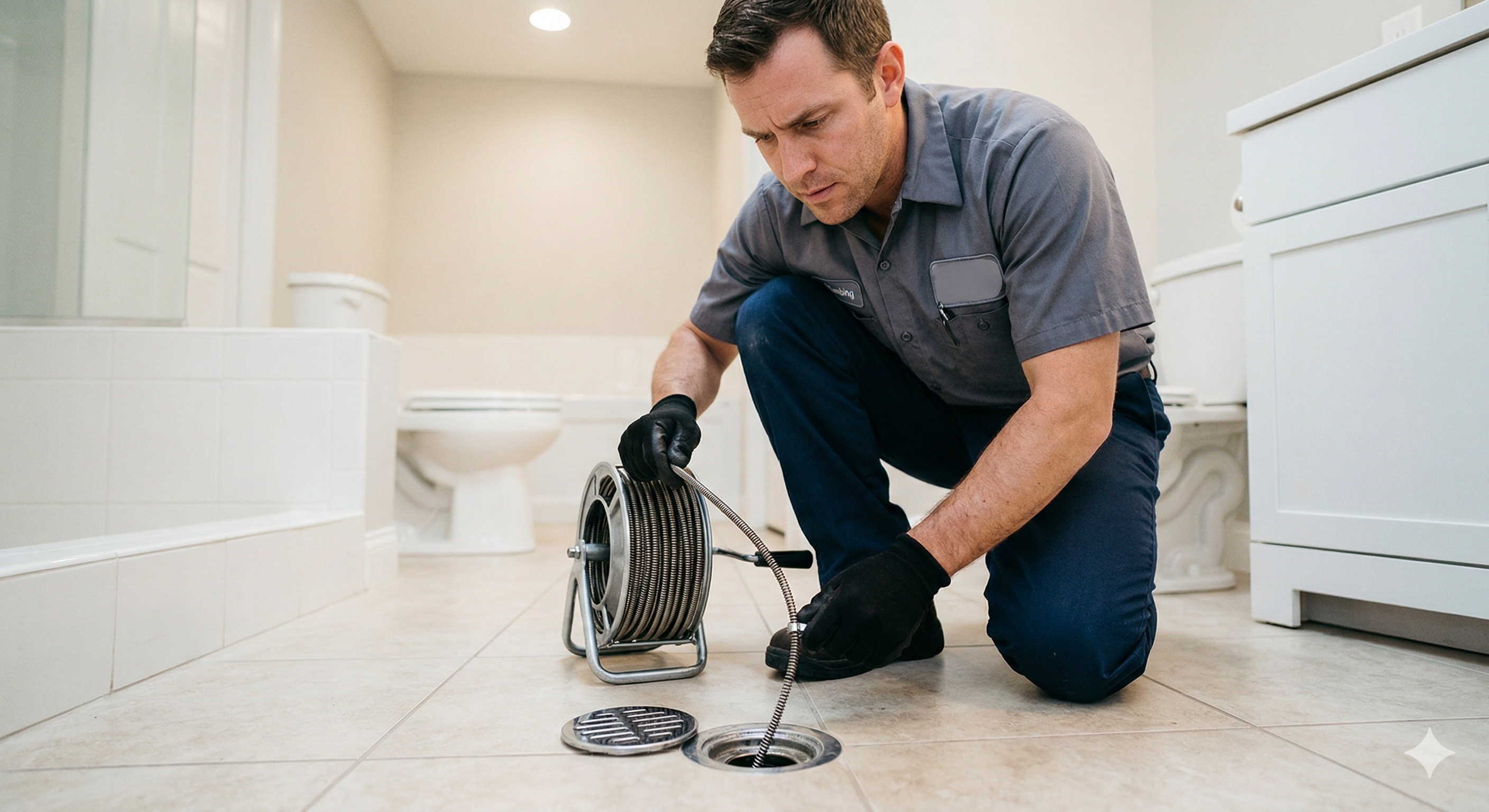
- Clearing simple drain clogs with plungers or basic drain snakes
Call for professional help immediately when facing:
- Any electrical hazards near water leaks or flooding
- Main sewer line backups that pose health risks
- Gas line proximity to water leaks or foundation issues
- Structural damage affecting plumbing system integrity
- Water heater malfunctions involving gas connections or pressure relief valves
Remember that Avondale’s hard water conditions and extreme climate create unique repair challenges. Professional plumbers understand local water chemistry, building codes specific to desert construction, and proper materials for our climate conditions. Attempting complex repairs without this knowledge often leads to recurring problems and higher costs.
Protecting Your Investment This Monsoon Season
Preparing for monsoon season means more than just knowing where your shutoff valves are located. Taking proactive steps now protects your Avondale home’s plumbing system throughout the challenging months ahead.
Your pre-monsoon preparation checklist should include testing all shutoff valves, inspecting exposed plumbing for UV damage, and ensuring you have basic emergency supplies like pipe repair clamps and a meter key. Consider the unique challenges our desert climate creates and prepare accordingly.
Remember that quick action during plumbing emergencies prevents minor issues from becoming major disasters. When monsoon storms arrive, you’ll have confidence knowing exactly how to protect your home’s plumbing system.
Need professional help preparing your plumbing system for monsoon season or handling emergency repairs? Call The Avondale Plumber at (602) 704-5371.
Need Professional Help?
If you're experiencing plumbing issues in Avondale, our licensed plumbers are ready to help.
Call Now: (602) 704-537124/7 Emergency Service Available